An Outdated and Invisible Operating System Keeping Brilliant Women Stuck
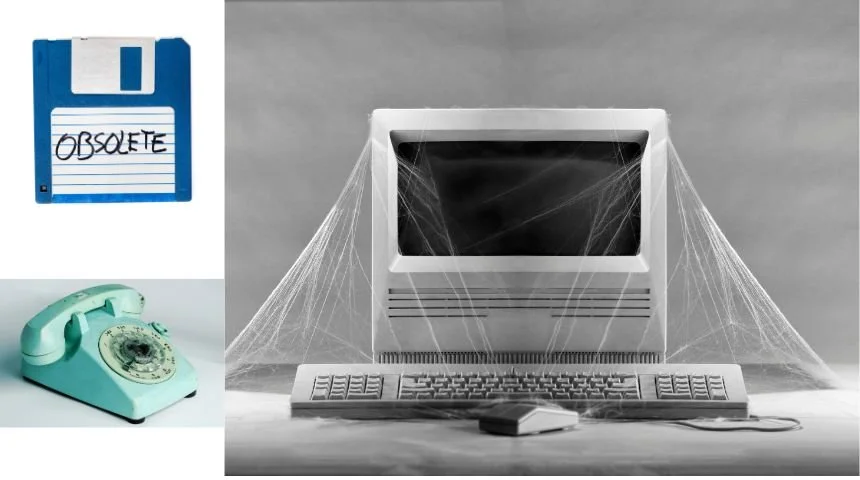
Images of obsolete phone, computer and disk. Source: Canva
Yesterday, in my ongoing women-centered coaching training with Claire Zammit, PhD, a renowned coach, teacher, mentor and thought leader on women’s identity transformation, I had a moment of deep recognition.
We were exploring what Dr. Zammit calls the “invisible operating system”—the internal rules many high-achieving women have learned to live by. And immediately, I thought of the women I work with: accomplished women with PhDs and doctorates who have done everything right—and yet feel stuck, overwhelmed, or quietly wondering why their lives no longer fit.
And I also recognized that this definitely was me six years ago. From the outside, my life looked solid and successful. I had a long, meaningful career, deep expertise, and a reputation for being capable and reliable. But internally, I was exhausted, over-responsible, and increasingly disconnected from myself. I had learned—very early in life—how to be strong, self-reliant, and high-functioning. What I hadn’t learned was how to trust my inner knowing or allow myself to want something different without needing certainty first.
The outdated operating system that Dr. Zammit names is built around achievement. It rewards being responsible, capable, self-reliant, and smart. It teaches you to push through uncertainty, figure things out on your own, and prove your value through contribution and performance. For women with doctorates, this way of operating works—until it doesn’t.
When the achiever operating system stays in place too long, success remains—but vitality, meaning, and self-trust slowly drain away.
At midlife or during a major transition, the old strategies stop delivering clarity. Thinking harder doesn’t help. Gathering more information doesn’t and overthinking causes decision paralysis. And the familiar question—“What should I do next?”—only creates more pressure and further erodes confidence.
When I listen to women with PhDs, I hear women who are over-responsible, over-functioning, and deeply capable—yet exhausted from carrying so much alone. This isn’t a personal failure. It’s a crisis of disconnection from themselves, their larger life purpose and sources of support. My clients are at important thresholds of identity transformation, where they are yearning to expand, grow and uplevel their lives and careers.
As Dr. Zammit explained yesterday, many women are being called to move from an achiever identity to a creator identity—from living according to external expectations to authoring their lives from the inside out. A creator doesn’t lead from proving or hustling for worth. She leads from alignment, inner authority, and trust. She designs her life intentionally, even without full certainty or approval.
This shift isn’t about doing less because you’re tired. It’s about becoming the woman who chooses from her own truth rather than pressure from others about who she should be and what she should do. And it’s not something you can think your way into. It requires space, support, and a different way of listening inward.
If you’re a woman with a PhD who feels successful on paper but misaligned inside, you’re not broken. You’ve simply outgrown the operating system that brought you here.
And that realization—while unsettling—is also the beginning of something new.
Join Me for a Free Live Webinar
On Monday, February 2 at 7 PM ET, I’m hosting a free live webinar:
Reclaim Your Direction in 2026:
Why Thinking Harder Isn’t Bringing Clarity—and What Women with PhDs Need Instead
We’ll explore why high-achieving women get stuck at transition points, what actually creates clarity, and how to begin reclaiming your inner authority—without forcing certainty or having it all figured out.
👉 Register here:
https://smartcareerdesignlearninglab.newzenler.com/live-webinar/free-webinar-reclaim-your-direction-in-2026-copy/register
If something in you has been quietly whispering, “There’s more—and I don’t want to keep doing this alone,” this is a place to begin.
